

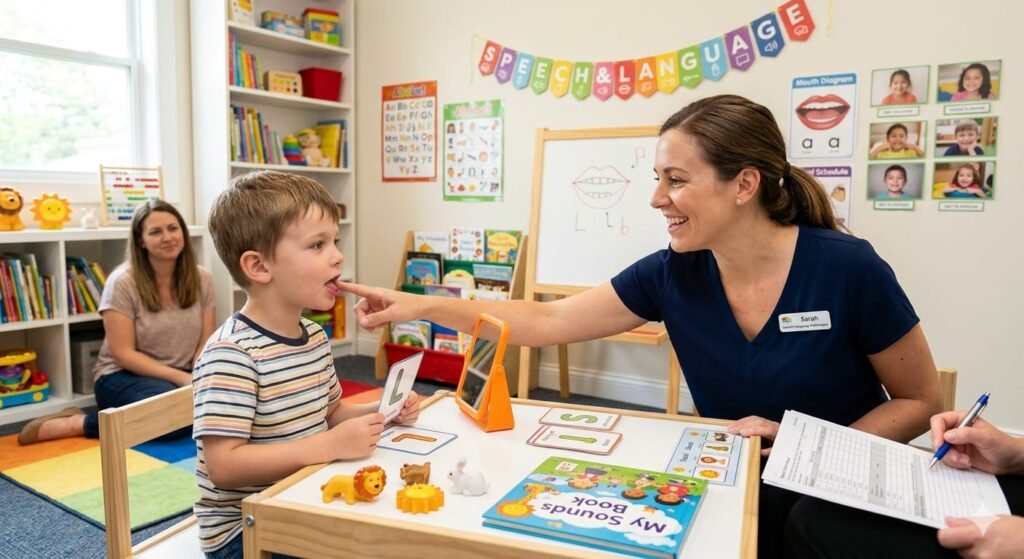
Speech therapy is a specialised treatment designed to help individuals improve their communication abilities, including speech, language, voice, and fluency. It plays a crucial role in enhancing confidence, social interaction, and overall quality of life for both children and adults.
What is Speech Therapy?
Speech therapy focuses on diagnosing and treating communication disorders. It is conducted by trained professionals known as speech-language pathologists (SLPs). These experts use scientifically proven techniques to help individuals overcome difficulties related to speaking, understanding language, and expressing thoughts effectively.
Who Needs Speech Therapy?
Speech therapy is beneficial for a wide range of individuals, including:
-
- Children with speech delays who struggle to pronounce words correctly
-
- People with language disorders affecting understanding or expression
-
- Individuals with stuttering or fluency issues
-
- Patients recovering from stroke or brain injuries
-
- People with voice disorders such as hoarseness or vocal strain
Early intervention is especially important for children, as it helps prevent long-term communication challenges and supports academic success.
Common Speech Disorders Treated
Speech therapy addresses various disorders, including:
-
- Articulation disorders – difficulty pronouncing sounds
-
- Fluency disorders – interruptions in speech flow, such as stuttering
-
- Language disorders – problems with understanding or using words
-
- Voice disorders – issues with pitch, tone, or volume
-
- Apraxia of speech – difficulty coordinating speech movements
Each condition requires a personalised treatment plan based on the individual’s needs.
Techniques Used in Speech Therapy
Speech therapists use a variety of effective techniques, such as:
-
- Articulation exercises to improve sound production
-
- Language intervention activities like storytelling and word games
-
- Breathing and voice control exercises for better vocal quality
-
- Fluency techniques to manage stuttering
-
- Augmentative and alternative communication (AAC) tools for non-verbal individuals
These methods are tailored to ensure measurable progress over time.
Benefits of Speech Therapy
Speech therapy offers numerous benefits beyond just improving speech:
-
- Enhances communication skills and clarity
-
- Builds self-confidence and social interaction
-
- Improves academic and professional performance
-
- Supports cognitive development in children
With consistent sessions and practice, noticeable improvements can be achieved within a few months.
Tips for Better Results
To maximise the effectiveness of speech therapy:
-
- Practice exercises regularly at home
-
- Maintain patience and consistency
-
- Encourage positive communication environments
-
- Collaborate with therapists and caregivers
Support from family members plays a vital role in achieving long-term success.
Conclusion
Speech therapy is a powerful tool for overcoming communication challenges and unlocking an individual’s full potential. Whether for a child with delayed speech or an adult recovering from a medical condition, timely intervention can make a significant difference. By focusing on quality treatment and consistent practice, speech therapy helps individuals communicate with confidence and clarity, ultimately improving their overall quality of life.
Must Read: Autism Therapy: A Practical Guide for Parents and Caregivers



[…] Speech Therapy: A Complete Guide to Improving Communication Skills […]
[…] Speech Therapy: A Complete Guide to Improving Communication Skills […]
[…] Better speaking and making friends […]