

A blog to help parents figure out if their child needs Occupational Therapy.
By Dr Dinesh Kumar, Pediatric Occupational Therapist & Founder – Future Wings Clinic
As parents, we all have that little inner voice.
“Why is my child not sitting still?”
“Why does she get so upset when I ask her to wear certain clothes?”
“Why is handwriting such a struggle?”
“Why does he avoid playing with other children?”
And almost immediately, someone around us says, “Bacche alag hote hain. Theek ho jaayega.”
Sometimes, they’re right.
And sometimes, your instincts are trying to tell you something important.
In my years of working with children and families at Future Wings Clinic, I’ve realised that parents usually know when something feels different. They may not have the right words for it, but they notice small things that don’t seem to add up.
The child may be intelligent but cannot sit and finish an activity. They may know their colours and numbers but avoid eye contact. They may be cheerful at home but have frequent meltdowns in noisy environments.
These concerns often become the starting point of an Occupational Therapy journey.
What Is Occupational Therapy?
Despite the name, Occupational Therapy for children has nothing to do with jobs.
A child’s occupation is to play, learn, explore, socialise, and become independent.
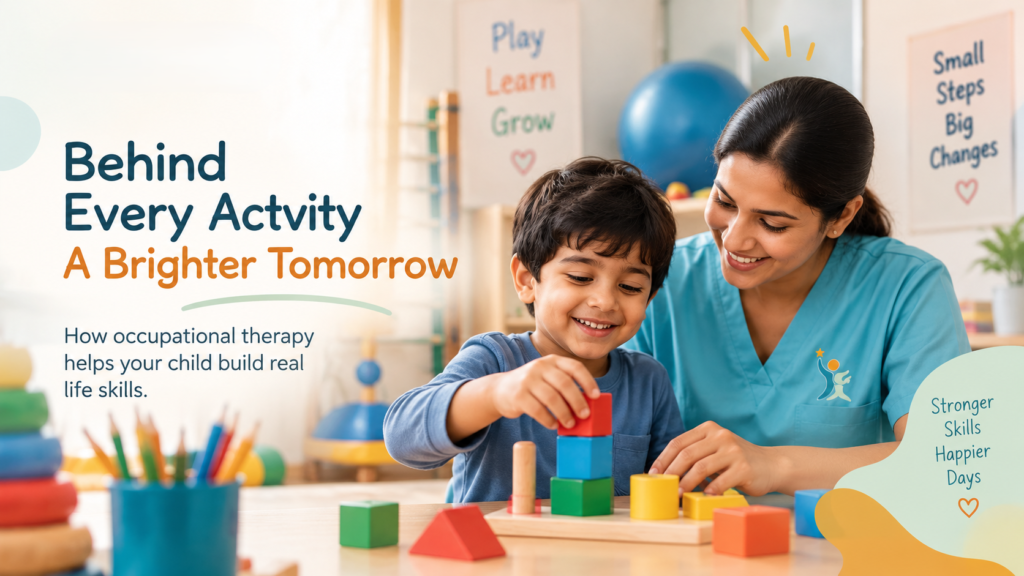
Occupational Therapy helps children develop the skills they need to participate confidently in everyday activities. It focuses on helping children perform tasks that are meaningful for their age, whether that’s holding a pencil, tying shoelaces, making friends, participating in school, or simply being able to sit through a meal without feeling overwhelmed.
Every child develops differently, but when certain skills become consistently difficult, Occupational Therapy can make a remarkable difference.
Signs That Your Child May Benefit From Occupational Therapy
- Difficulty With Everyday Activities
Can your child feed themselves independently?
Do they struggle with dressing, buttoning clothes, brushing teeth, or using the toilet appropriately for their age?
These everyday activities may seem simple, but they require coordination, planning, attention, and motor control. When children struggle with these skills, it can affect their confidence and independence.
- Sensory Challenges
Some children cover their ears when they hear loud sounds.
Some refuse to wear certain clothes because the fabric bothers them.
Others avoid messy activities, dislike certain food textures, or become distressed in crowded places.
Then there are children who are constantly moving, jumping, crashing into furniture, or seeking movement all day.
These behaviours are often signs of sensory processing differences rather than being “naughty” or “difficult.”
- Delayed Motor Skills
Does your child appear clumsy?
Do they struggle to catch a ball, climb stairs, colour within lines, or use scissors?
Are they avoiding playground activities because they find them difficult?
Motor skills form the foundation for school participation and independence. When these skills are delayed, children may begin to avoid activities their peers enjoy.
A Child I Will Never Forget
I remember meeting a five-year-old child diagnosed with ADHD.
His parents came to us because he simply could not sit still. He was constantly restless, had poor attention, limited eye contact, and struggled to participate in activities for more than a few minutes.
Interestingly, his parents did not think he needed Occupational Therapy.
Like many families, they assumed his hyperactivity was something he would eventually outgrow.
After our assessment, we began working on sensory regulation, attention-building activities, and self-control strategies.
Over time, something beautiful happened.
He started sitting for longer periods during activities. His eye contact improved. He became more engaged during learning tasks and was able to participate more meaningfully in daily routines.
His parents often tell me that the changes were not just visible in therapy sessions. They noticed the difference at home, during meals, during playtime, and even while interacting with family members.
That’s the power of the right intervention at the right time.
Common Myths About Occupational Therapy
“Occupational Therapy Is Only For Severe Disabilities”
Not true.
Many children who benefit from Occupational Therapy attend mainstream schools and simply need support in certain developmental areas.
“Occupational Therapy Is Just Play”
Therapy may look like play, and that’s intentional.
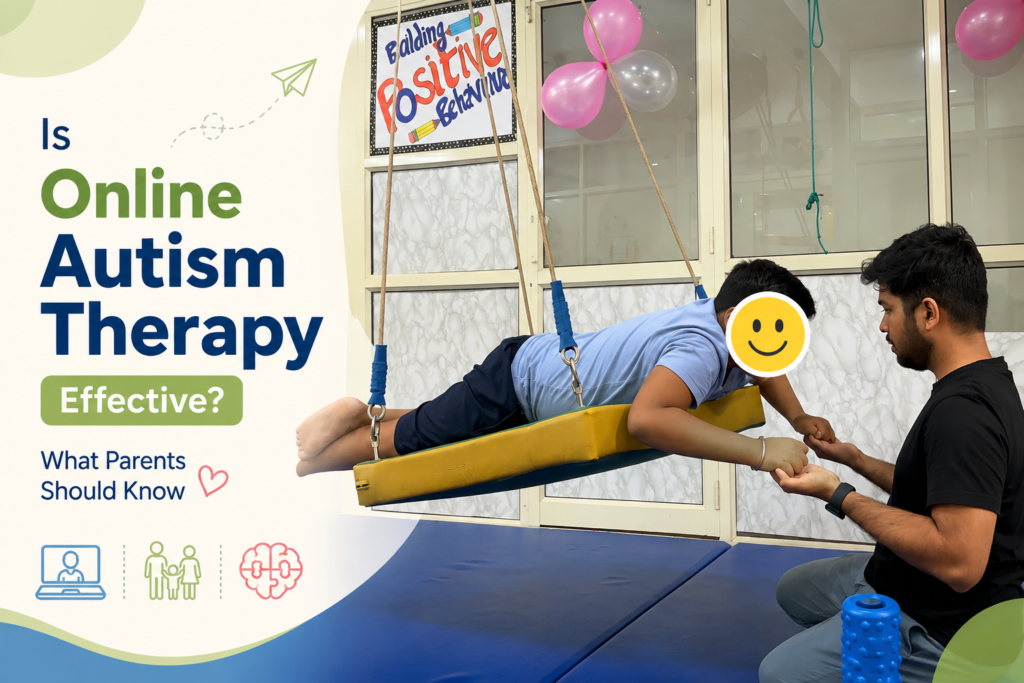
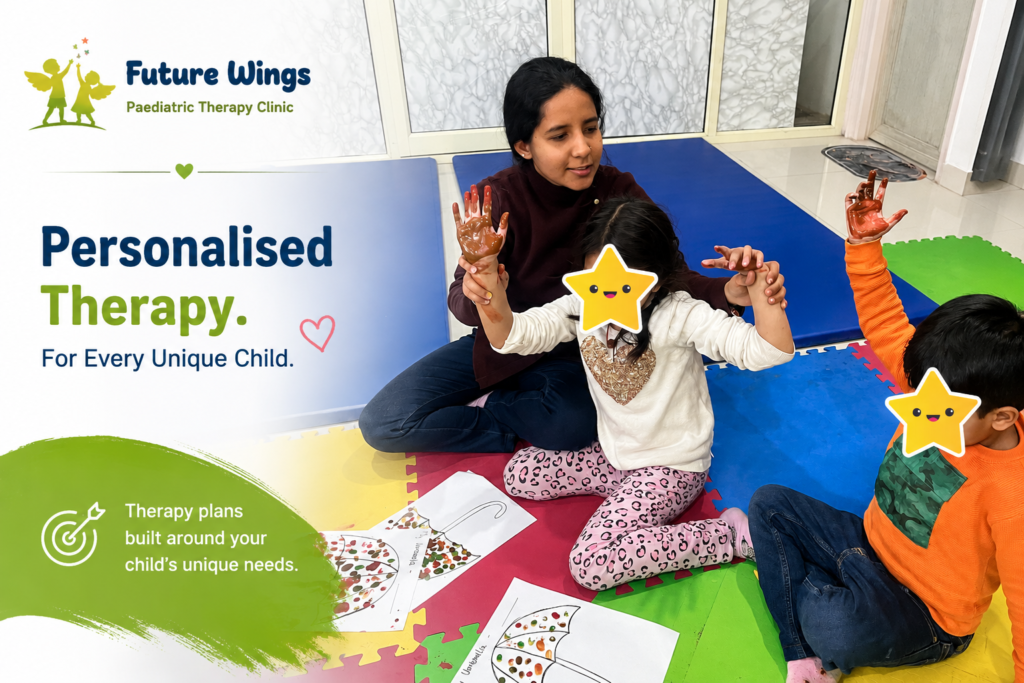
Children learn best through meaningful, engaging activities. Behind every game, obstacle course, or activity is a clinical goal and carefully planned therapeutic strategy.
“My Child Will Grow Out Of It”
Some developmental differences improve naturally.
Others need support.
Waiting indefinitely can sometimes mean that challenges become bigger and begin affecting confidence, learning, and participation in everyday life.
"It’s not enough to give a patient something to do with their hands. You must reach for the heart as well as the hands. It’s the heart that really does the healing."
Ora Ruggles
Trust Your Instincts
As parents, you know your child better than anyone else.
If something feels different or you have concerns about your child’s development, seeking guidance is never a mistake.
Early support does not label a child.
It empowers them.
I often tell parents that Occupational Therapy isn’t about changing who a child is. It’s about helping them become the best version of themselves. It is about equipping them with the tools to participate confidently at school, make friends, develop independence, and enjoy childhood to the fullest.
Never underestimate the impact of early intervention.
Sometimes, asking one simple question—
“Could my child benefit from a little extra support?”
can become the first step towards helping your child thrive.
At Future Wings Clinic in Dwarka, Delhi, we have seen time and again that with the right guidance, consistency, and support, children can surprise us in the most beautiful ways.
By using these approaches, we make a conscious effort to provide a better nurturing environment for your child.
We have an excellent staff with years of experience, guided by Dr Dinesh, who leads the team based on each child’s needs.